

A planned factory shutdown concentrates maintenance, contractor activity and material deliveries into a short period. Space that normally serves production may suddenly be needed for dismantled equipment, temporary stores or job-specific parts. A hired container can help, provided its role is tied to the shutdown programme rather than added as a last-minute overflow measure.
The most useful arrangement distinguishes materials needed before isolation, items used during maintenance and goods required for recommissioning. Those stages have different access priorities. Treating them as one mixed stockpile can force repeated unloading precisely when the shutdown team is working against a fixed restart date. The Tiger Containers range covers container sales, hire and modifications. The appropriate option depends on the goods, working process and site rather than capacity alone.
Allocate stock to work packages
Break the shutdown into identifiable work packages and assign materials to each one. Include replacement parts, consumables, special tools and documentation. Label kits by job reference and planned use date so that contractors do not have to search through unrelated deliveries or borrow from another team’s allocation.
Separate critical spares from surplus materials. A spare required to recover from an unexpected fault must remain accessible even if the planned work is proceeding normally. Establish who can authorise its release and record any substitutions, because removing a small component from one package may delay an entirely different task later.
Control the interface with contractors
A temporary container can become a busy collection point involving people unfamiliar with the site. Define who holds access permissions, where materials are signed out and how returned tools are checked. Place the working area where it supports the shutdown without encouraging pedestrians to cross plant movements or lifting zones.
If several contractors share the container, use clearly separated locations and a common issue procedure. Private padlocks on internal areas may solve one team’s problem while preventing another team retrieving essential equipment. Agree the access arrangement before the shutdown starts, including arrangements for late shifts and emergency call-outs.
Keep dirty components out of clean stock
Dismantled equipment may carry oil, dust, process residue or retained liquids. Assess what can enter the container and provide suitable containment where needed. Do not store contaminated parts beside clean seals, bearings or electrical components. General-purpose container storage does not replace controls for hazardous substances.
For a packaging line overhaul, the incoming replacement assemblies could occupy one defined zone while removed parts go to a separate inspection area elsewhere. That separation helps technicians identify what is ready to install and prevents supposedly new equipment being mixed with components awaiting a condition assessment.
Schedule the container out of the project
The end of the shutdown can leave an awkward mixture of unused spares, redundant components and contractor equipment. Assign an owner to every category before the restart. Confirm which goods return to normal stores, which require repair and which can be disposed of through the site’s established process.
Build container emptying and collection into the programme. The collection vehicle may need access that becomes unavailable once production traffic resumes. A planned demobilisation prevents hire continuing simply because nobody has taken responsibility for the last few items or the container is blocked behind reinstated barriers.
Build the store into the shutdown schedule
Set dates for delivery, initial stocking, final issue and demobilisation. Those dates should be linked to the work programme so changes can be reviewed together. If the shutdown moves forward, the stock preparation and container booking need attention as well as the maintenance tasks.
Create a short readiness check before the first contractor arrives. Confirm the work-package labels, critical-spares access and contact arrangements. Check that the container’s position still suits the current site plan. A readiness review can identify a missing kit or blocked access area while there is still time to correct it, rather than during an equipment isolation window.
Keep urgent changes visible
Shutdowns can reveal additional work once equipment is opened. Establish how newly required materials enter the store and how they are allocated. A rush delivery placed in an empty corner can become difficult to find if the receiving person leaves before the maintenance crew collects it.
Record the job reference, recipient and location at arrival. Where a part is borrowed from another work package, update both packages and arrange replenishment immediately. This protects the planned restart tasks from the hidden consequences of an urgent repair. The store process should remain simple enough to use under pressure while preserving the information another shift will need.
Close the loop on unused materials
Unused stock can reveal an overestimate, a changed repair method or a task that was not completed. Review the reason before returning every item to general stores. Some materials may be useful for the next planned shutdown, while others may be specific to equipment that has now been replaced.
Record the final destination and retain any required preservation information. For contractor-owned goods, obtain a clear collection commitment. An end-of-shutdown inventory supports both commercial close-out and future maintenance planning, turning the temporary store into a source of useful information rather than leaving its contents as an unresolved final task.
A work-package store for a line overhaul
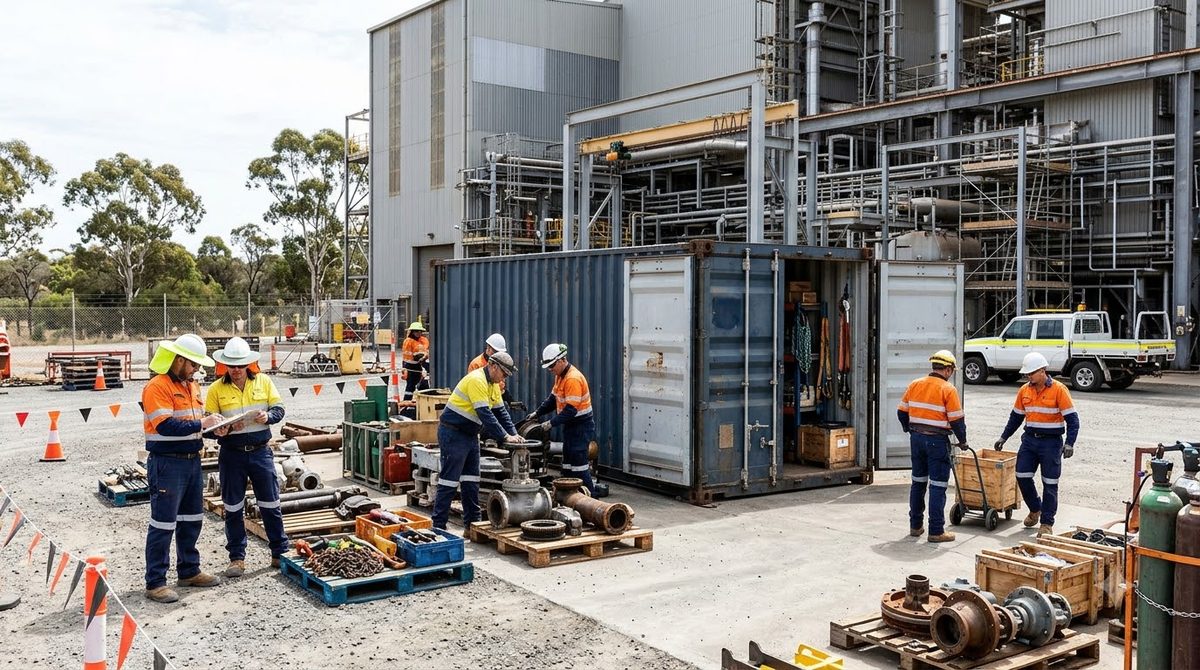
A factory overhauling one production line could prepare a labelled kit for each maintenance package and a separate critical-spares section. The store register identifies the planned use date, responsible contractor and any parts still awaiting delivery. Incoming rush orders are allocated before being put away.
As work progresses, the team records substitutions and unused components against the correct package. Before restart, it reconciles the critical stock and identifies materials that must return to normal stores. Collection is booked against the demobilisation plan, with access preserved after production traffic resumes. The container supports the shutdown sequence without becoming an unresolved store of contractor property and unassigned leftovers at the end of the project.
Specify the hired unit for the actual temporary duty
Use the container hire service to discuss the requirement and confirm the applicable terms. Provide the expected dates, contents and frequency of access. Compare suitable 20ft containers and 40ft containers against the working layout, including the room needed to retrieve goods rather than considering capacity alone.
If a standard arrangement does not suit the task, discuss side-opening container options or the relevant container modifications before booking. Confirm what alterations are permitted on a hired unit and what the return requirements will be. Do not assume the customer’s planned fittings can be installed without supplier agreement.
Include the whole hire cycle in the plan
The booking should sit alongside delivery preparation, routine access, emptying and collection. Give the supplier current site information and a named contact. Ask how the agreement treats notice, return condition and the end of hire, using the actual contract rather than assumptions based on another project or supplier.
Assign responsibility for keeping the container accessible and for reviewing its contents as the temporary requirement changes. Project delays can extend the storage period or alter the goods held. Review those changes before they undermine the original layout or product suitability. A short close-out checklist should identify remaining stock, attachments, cleaning and collection access. This keeps the hire connected to the temporary task from start to finish, with a clear route back to ordinary operations when the extra capacity is no longer required.
Prepare the booking information
Give Tiger the expected start and finish dates, intended contents, access requirements and current site information. Include the planned collection arrangements and any fittings you want to use. Ask for a quotation and the relevant hire terms against that defined scope. Keeping the dates, responsibilities and return requirements visible helps the temporary store support the project without leaving its final emptying and collection to an informal last-minute arrangement.