

Returned products create a different storage problem from new stock. Their condition is uncertain, packaging may be damaged and the correct destination is often undecided. Placing them in a spare container without a clear process can turn useful overflow space into a backlog that becomes increasingly expensive to resolve.
A container-based returns area should support a sequence from receipt to inspection and final disposition. The objective is to protect saleable stock, identify exceptions promptly and avoid paying to store products that have no realistic recovery value. The right layout gives the team visibility of what has arrived and what needs a decision next. The Tiger Containers range covers container sales, hire and modifications. The appropriate option depends on the goods, working process and site rather than capacity alone.
Create a controlled intake point
Every returned item needs an identifier that connects it to an order or returns authorisation. Record the arrival date, packaging condition and any immediately visible damage before placing it in storage. A photograph can preserve evidence of the condition received, particularly where the parcel has been damaged in transit or contains an unexpected item.
Keep unassessed returns separate from inspected goods. This prevents a product being returned to saleable stock merely because its outer carton looks intact. It also makes the backlog measurable. When the intake area is full, the answer should be to accelerate inspection or change the process, rather than mixing unknown items into other zones.
Separate goods by their next decision
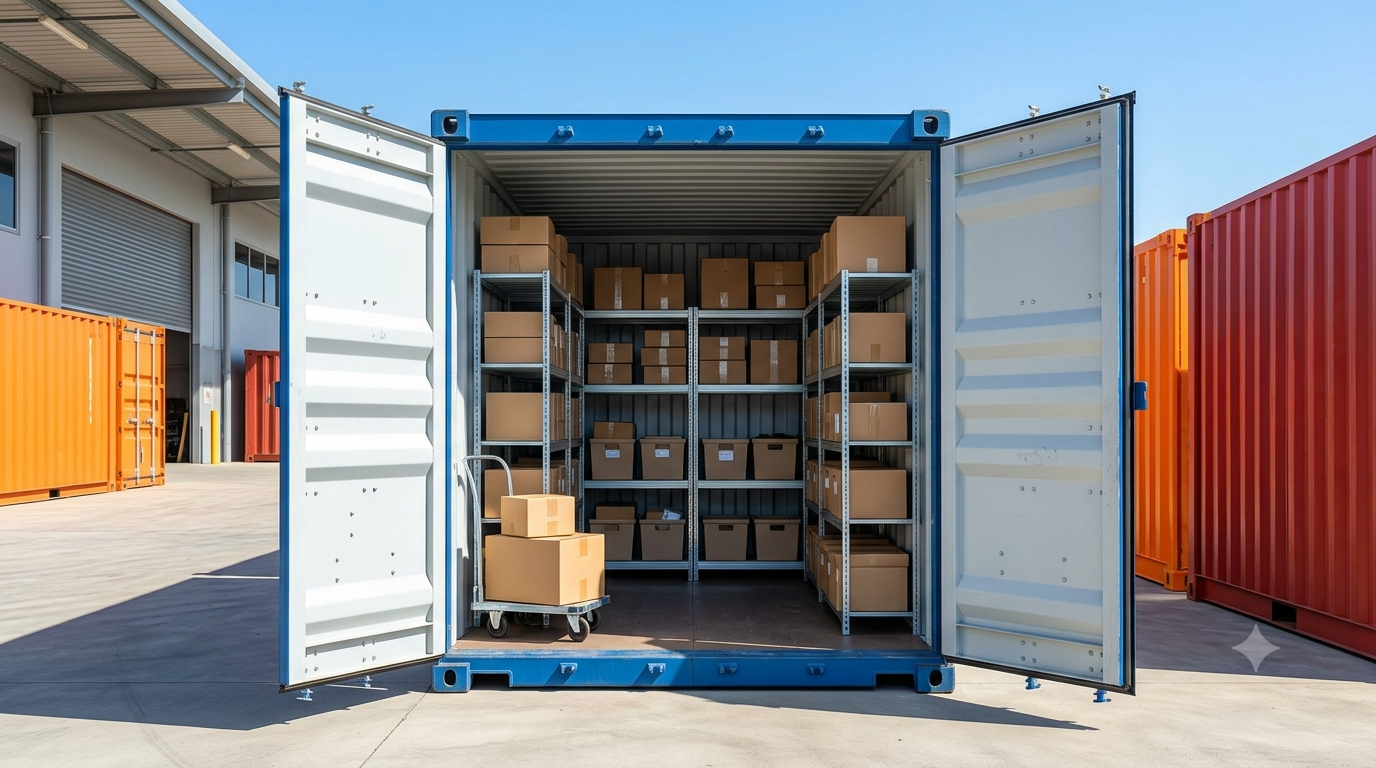
Useful zones might include awaiting inspection, ready for resale, repair assessment, supplier return and disposal. The categories should reflect actual business decisions rather than a complicated labelling system nobody maintains. Clear shelf or floor locations help employees place goods correctly without opening every carton or searching through a spreadsheet.
Special attention is required for leaking products, damaged electrical goods and items containing batteries. These should not simply join a general returns pile. Assess their hazards and obtain suitable storage and disposal advice. A standard dry container does not automatically provide the fire protection, ventilation or segregation needed for damaged batteries or hazardous materials.
Protect the value of recoverable products
Returned textiles, cardboard packaging and electronic accessories can deteriorate if they are stored damp or exposed to unsuitable conditions. Inspect incoming cartons for moisture and avoid enclosing wet packaging with dry goods. Storage conditions should match the product requirements, especially if the business intends to resell the item as new or refurbished.
Use smaller labelled locations for accessories, instructions and replacement packaging. An otherwise saleable product can remain unsold because an essential cable or fitting has been separated from it. A documented completeness check prevents repeated inspection and makes it easier to decide whether repackaging will recover enough value to justify the labour.
Measure the age of the backlog
Track the oldest unprocessed item as well as the total number of returns. A modest pile may contain products that have sat undecided for months. Set escalation points for items awaiting a supplier response, repair quotation or commercial decision. The returns area should have a route out for every category.
An online homewares seller, for example, could inspect new arrivals each morning and move resale-ready goods back to the main warehouse that afternoon. The container then acts as a short processing buffer. If staff instead leave everything until the end of the month, the same space requires more capacity and ties up stock value for longer.
Set a decision time for every return category
A returns register should show the next action as well as the current location. An item awaiting a customer-service decision needs an owner and a review date, while a repair candidate needs a quotation or assessment deadline. Without those fields, goods can remain visible in the system but have no practical route back to value.
Review the oldest items regularly and identify the reason for delay. Some may be waiting on suppliers, but others may simply lack authority for disposal or discounting. Give the responsible person a concise list of exceptions rather than asking them to inspect the whole container. That allows commercial decisions to keep pace with the physical intake.
Make the inspection station support consistent decisions
Where inspections take place outside the container, establish a clear transfer between the holding location and the assessment station. Keep the product identifier with the item throughout the process. If packaging is removed, ensure the returned goods do not lose their link to the original record.
Provide suitable instructions for common outcomes, including missing accessories, cosmetic damage and incorrect products. The criteria should reflect the retailer’s policies and product requirements. Two employees should not make opposite decisions about equivalent goods because one has access to information the other lacks. Record photographs where they support a decision, but avoid collecting unnecessary personal information from labels or documents left in returned packages.
Reconcile the resale route with the stock system
When a product is approved for resale, change its inventory status and location through the normal stock process. Moving it physically back to a dispatch shelf without updating records can create an apparent shortage in returns and an unexplained surplus elsewhere.
Use a separate route for refurbished or discounted stock if the business distinguishes it from new goods. The description, packaging and available quantity should remain consistent across the warehouse and sales system. A container returns process is effective when goods leave it with a clear commercial status, rather than merely moving the uncertainty to another department.
A practical returns cycle for a growing retailer
Imagine a retailer receiving several dozen returns each week across a range of household products. It assigns every arrival a reference and places it in the unassessed zone. Inspection occurs on planned days, with resale-ready goods returning to the warehouse and exceptions receiving a named decision owner.
The container’s register shows both location and next action. A product awaiting a supplier response does not sit anonymously beside goods already approved for resale. After a short trial, the business reviews the oldest items and adjusts its inspection capacity. The useful measure is how effectively products move through assessment, rather than how many returned parcels can be fitted behind a locked door.
Choose the enclosure around access and stock conditions
Compare 20ft shipping containers and 40ft shipping containers using the actual inventory and retrieval method. Longer storage space can help with volume, but access frequency, stock shape and handling equipment may control the decision. Check the allocated unit’s clear dimensions and condition before committing the layout, including the effect of packaging and any proposed fittings.
Where stock needs lateral access, discuss side-opening containers. If the operation needs fixed equipment or a tailored interior, the container modification service provides a route to assess the scope. The design should preserve required clearances and inspection access rather than filling every apparent gap.
Match the commitment to the storage period
A temporary peak may justify discussing container hire, while a stable ongoing requirement can be assessed against purchase. Use current quotations and the expected duration, including the relevant delivery, collection and preparation requirements. Avoid assuming that a low periodic rate or a low purchase price represents the complete cost of the arrangement.
Before requesting a quote, prepare an inventory, retrieval schedule and site information. Include sensitive products, unusual loads and any environmental requirements. Agree who manages stock records and condition checks after delivery. The container should support a repeatable working process, with the specification, site and daily routines considered together. Revisit the choice if the stock mix or access pattern changes substantially; a unit selected for reserve storage may not suit a later role involving continuous picking or specialist goods.
Discuss the stock plan with Tiger
Prepare the stock dimensions, approximate quantities, access frequency and proposed storage period before speaking with Tiger. Include photographs and measurements of the site, plus any unusual weights or product requirements. Ask for the container and relevant services to be quoted against that information. A clear enquiry helps the supplier assess the appropriate configuration and gives the business a practical basis for comparing its options before committing to the extra storage.